
Vitamin D Deficiency in the UK: Symptoms, Causes and Prevention
It was a grey Tuesday in February, somewhere around 3pm, when I caught myself nearly falling asleep at my desk for the third day running. I’d slept eight hours. I wasn’t sick. I was just… tired, in that heavy, foggy way that coffee doesn’t fix. My joints ached a bit too, which I put down to “getting older” because I’d just turned 31 and figured that was a believable excuse.
A friend who works as a nurse asked one simple question over a pint that weekend: “When did you last get your vitamin D checked?”
I genuinely didn’t know the answer. Turns out, I hadn’t ever checked it. Three weeks later, a blood test confirmed what she’d suspected — I was properly deficient. Not “a bit low.” Deficient enough that my GP put me on a high-dose prescription course before I could even go near the supermarket supplements.
If you live in the UK and you’ve been feeling worn out, low, or just “off” without a clear reason, this article is the one I wish someone had handed me back in February.
Why the UK Is Basically a Vitamin D Danger Zone
Here’s the thing nobody tells you clearly enough: it’s not really your fault if you’re deficient here. It’s geography.
The UK sits quite far north. Between roughly October and March, the sun simply doesn’t get high enough in the sky for our skin to make vitamin D, no matter how much time you spend outside. Public Health England has flagged this for years — it’s why they recommend everyone consider a supplement during autumn and winter.
I used to think “I get loads of fresh air, I walk the dog every morning” would be enough. It isn’t. Walking your dog in November sunshine in Manchester is lovely for your mood, but it’s doing almost nothing for your vitamin D levels.
What Vitamin D Deficiency Actually Feels Like
Forums and health sites love listing symptoms in a dry, clinical way. From actually living through it, here’s what it felt like in real life:
-
- Tiredness that sleep doesn’t fix. Not “I stayed up too late” tired. More like wading through treacle by 2pm.
-
- Bone and muscle aches, especially in my lower back and hips. I genuinely blamed my office chair for months.
-
- Low mood, almost like a winter slump that never lifted come spring.
-
- Getting ill more often. I caught two colds back to back that winter, which wasn’t normal for me.
-
- Hair that seemed to be shedding more than usual in the shower drain (this one surprised me — apparently it’s a recognised, if less talked-about, symptom).
None of these scream “vitamin deficiency” on their own. That’s exactly the problem. Each symptom alone looks like normal life stress, so people (me included) just push through it for months.
The Causes Nobody Warns You About
Lack of sunlight is the obvious one, but a few other causes caught me off guard when my GP explained them:
1. Office life. If you commute in the dark, sit under fluorescent lights all day, and walk home in the dark too — which is most of winter in the UK — you can go weeks with almost zero meaningful sun exposure.
2. Sunscreen, ironically. SPF is brilliant for skin cancer prevention, genuinely non-negotiable in summer, but it also blocks the UVB rays your skin needs to produce vitamin D. There’s a balance here, not a contradiction — short, unprotected exposure for a few minutes before applying sunscreen is the usual middle ground experts suggest.
3. Darker skin tones. Melanin is great at protecting skin, but it also reduces how efficiently skin makes vitamin D from sunlight. This means people with darker skin in the UK are statistically more at risk and often need it explained to them more clearly than they are.
4. Being indoors more than you realise. Working from home made this worse for me, not better. Office workers at least get a lunchtime walk sometimes baked into the day. Working from my kitchen table, some days I genuinely didn’t leave the house.
5. Age and weight. Vitamin D is stored in fat tissue, and skin becomes less efficient at producing it as we age. Neither of those are things you can fully control, but they’re worth knowing.
How I Actually Fixed It (Step by Step)
This is the part people usually skip over, so here’s exactly what happened after my diagnosis.
Step 1: Get an actual blood test.
Don’t guess. My GP surgery did a simple blood test (you can also order private finger-prick test kits through services like Medichecks or Thriva if you don’t want to wait for a GP appointment). It measures something called serum 25-hydroxyvitamin D, usually just labelled “vitamin D” on results.
Step 2: Understand the numbers.
In the UK, anything below 25 nmol/L is generally classed as deficient. Mine was 19. Between 25–50 nmol/L is considered borderline/insufficient. Above 50 is generally fine for most people.
Step 3: Follow the right dose, not a random one.
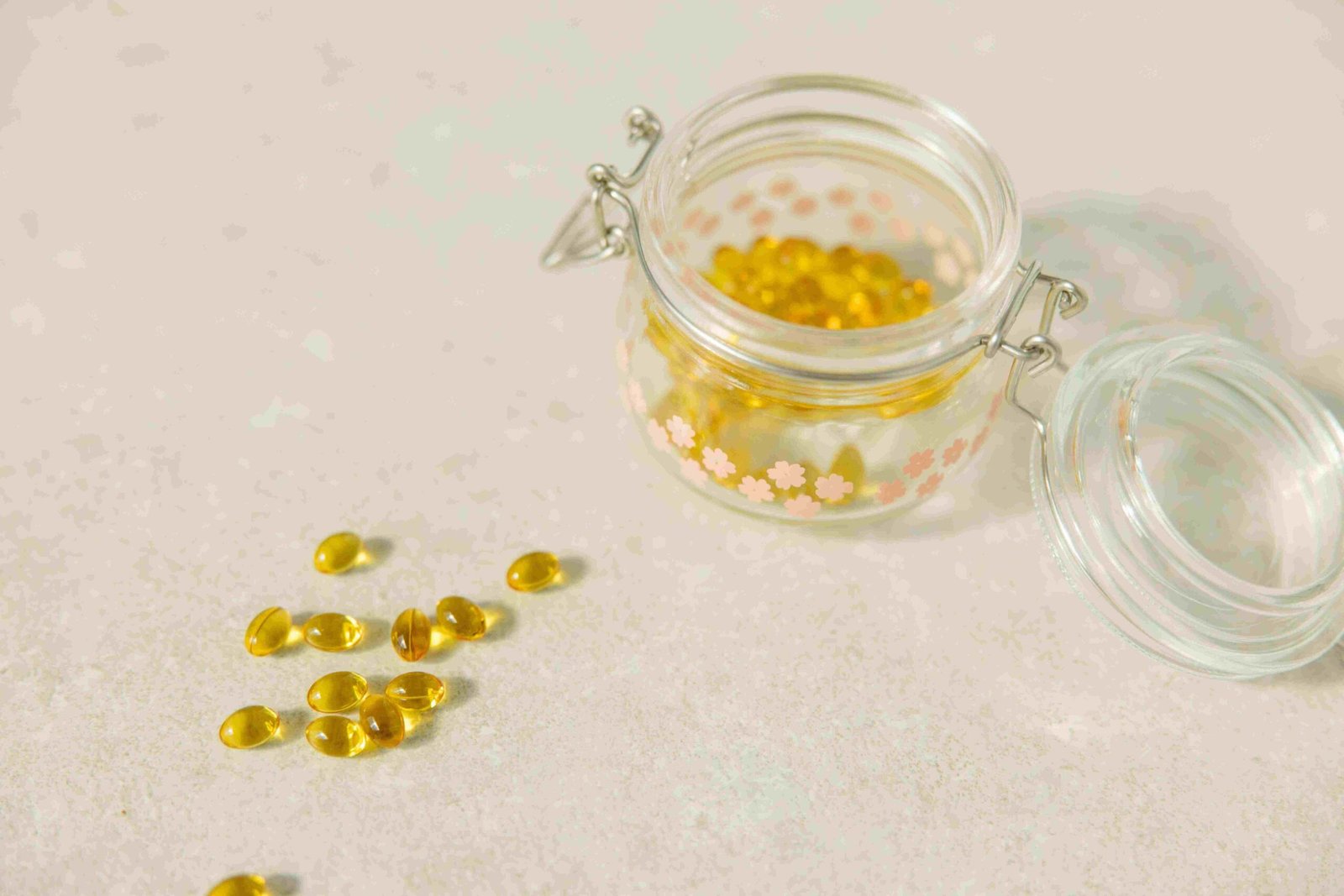
Because mine was properly low, my GP prescribed a short course of high-dose vitamin D3 (mine was a weekly capsule for several weeks), not the standard 10 microgram daily tablets you’d buy at Boots. This matters — taking random high doses of over-the-counter supplements without medical advice isn’t the same as a properly managed prescription course, and more isn’t automatically better.
Step 4: Maintain it afterwards.
Once levels normalise, the NHS recommendation for most adults is a standard 10 microgram (400 IU) supplement daily, particularly from October to early March. I now keep a bottle of Boots’ or Holland & Barrett’s own-brand vitamin D3 by the kettle, right next to where I make my morning coffee, so I genuinely don’t forget it.
Step 5: Get sun sensibly in summer.
From late March to September, around 10–15 minutes of midday sun on bare arms and face, a few times a week, helps your body build its own reserves. No sunscreen needed for that short window, then apply as normal if you’re staying out longer.
Step 6: Reconsider your diet, but don’t rely on it alone.
Oily fish (salmon, mackerel, sardines), egg yolks, and fortified foods like some cereals and plant milks all contain vitamin D. Realistically though, food alone rarely covers what your body needs in a UK winter — it’s more of a helpful add-on than a fix.
Mistakes I Made (So You Don’t Have To)
I want to be honest about where I got it wrong, because the lessons stuck harder than the textbook facts did.
-
- I assumed feeling tired was just “adult life.” I ignored it for nearly six months before getting checked.
-
- I bought a random high-strength supplement online before my GP visit, thinking I’d self-diagnose. Turns out the dose was way more than needed for general maintenance, and taking excessive amounts over long periods can actually cause harm — it’s fat-soluble, so it builds up in the body unlike vitamin C.
-
- I stopped taking supplements the moment summer arrived, assuming a few sunny weekends had “topped me up” for good. It takes more consistent exposure than the average British summer actually offers.
-
- I didn’t connect the hair shedding to vitamin D at all until my GP mentioned it. I’d spent money on different shampoos instead of addressing the actual cause.
A Few Honest Recommendations
If you want to track this without obsessing over it, apps like MyFitnessPal or Cronometer let you log food and roughly estimate vitamin D intake from diet, though they won’t replace an actual blood test. For supplements, Holland & Barrett, Boots, and Better You (their D3 spray is genuinely easy to use if you dislike swallowing tablets) are widely available and reasonably priced.
If your symptoms feel similar to mine — that bone-deep tiredness, the unexplained aches, the low mood that doesn’t lift — please don’t just assume it’s stress or ageing. A blood test costs very little time and tells you something concrete, instead of guessing for months like I did.
Winter in the UK isn’t going anywhere, and neither is the lack of usable sunlight between October and March. But once you know that, it stops being a mystery and starts being something you can actually manage — a daily tablet, a sensible bit of summer sun, and one blood test a year if you’re ever unsure again.

- Healthy Snacks for Work: What Actually Kept Me From Raiding the Vending Machine at 3 PM - July 12, 2026
- What I Learned After Spending More Time Outdoors - July 10, 2026
- How I Learned to Enjoy Healthy Living Without Pressure - July 8, 2026
Excellent explanation about Vitamin D. The article is easy to understand and provides practical advice for maintaining good health. Really helpful for readers.