
Do Omega-3 Supplements Improve Memory? What Research Reveals
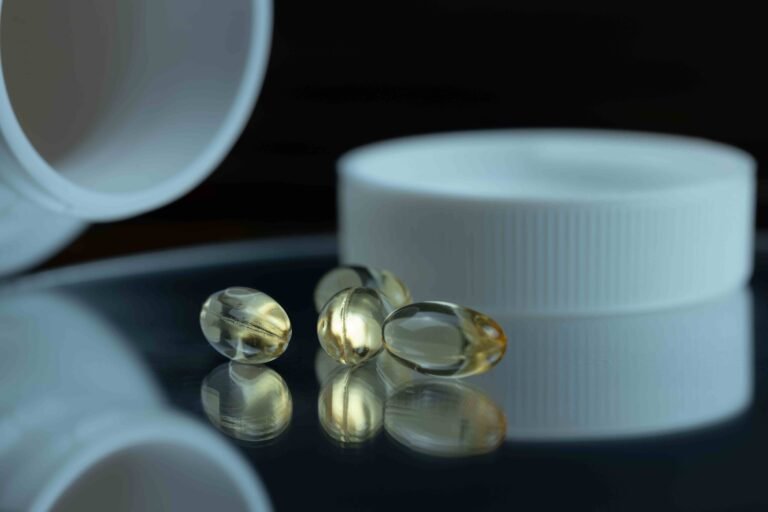
Three years ago, I started taking fish oil capsules, right after I walked into the kitchen for the third time in one afternoon and completely forgot what I was doing there. My grandmother had dementia in her later years and that little blankness scared me more than it should have, probably. I rushed to the pharmacy and bought a bottle of omega-3 softgels because every wellness influencer I followed said they were “brain food.”
Three years later, here’s what I can tell you: I know a lot more now than I did that day, and the answer is not the simple “yes, take this, and your memory will get better” story I had hoped for.
If you’re in the supplement aisle right now asking yourself whether you should throw your hard-earned cash at fish oil for your brain, let me walk you through what I learned — both from living with this habit on the daily and from digging into the actual studies instead of trusting random blog posts.
Why I Started Taking Omega 3 in the First Place
My thinking was pretty simple. I had read somewhere that the brain is about 60% fat, and DHA (one of the main omega-3 fatty acids) is a major component of the cell membranes in the brain. That part is true and well-known in nutrition science. The leap I made — “more omega-3 equals better memory” — was much more complicated than that.
I bought a regular 1000mg fish oil capsule, one a day and thought I’d just feel sharper in a couple of weeks. Spoiler: I didn’t see anything too dramatic. No flash of enlightenment, no photographic memory. Just me, just an old me, Still walking into rooms, Forgetting why
What the Science Actually Says (Not What Supplement Companies Want You to Think)
Here’s where I had to slow down and really read studies instead of marketing copy and frankly the picture is messier and more interesting than I expected.
The positive side first. A 2025 dose-response meta-analysis of 58 trials found that omega-3 supplementation can have a real, measurable relationship with episodic memory — but the relationship is not linear. It was more effective at lower doses, and the dose-memory curve bent in a way researchers didn’t quite anticipate. Most reviews (seven out of eight) reported separately in a 2025 overview of systematic reviews looking at people with mild cognitive impairment
improvements in MMSE scores, which is a standard cognitive screening test, in people taking omega-3 compared to those who weren’t.
There’s also a 2021 Japanese trial I found genuinely interesting: adults around 65 who took 1200mg of DHA daily for 18 months showed less shrinkage in the hippocampus (the brain’s memory center) and held onto memory performance better than the placebo group. And a 2024 trial focused specifically on people carrying the APOE-4 gene — a known genetic risk factor for Alzheimer’s — found that high-dose omega-3 helped preserve neuronal integrity on brain scans.
Now the part nobody puts on the supplement label. A 2025 meta-analysis of 11 placebo-controlled trials in cognitively healthy older adults found basically no significant effect on overall cognition. Zero. And then there’s a study that actually made me pause my own supplement routine for a few weeks: research using data from the Alzheimer’s Disease Neuroimaging Initiative found that among people carrying that same APOE-4 gene, those taking omega-3 supplements showed faster cognitive decline than non-takers, not slower. The researchers were careful to say this was observational data, not proof of cause and effect, and the sample skewed toward white, well-educated older adults — but it’s a real finding that complicates the “more is always better” story.
The dosage question is the part that surprised me most. A study specifically looking at this found that low doses (under about 1.73 grams per day) were linked to a meaningful reduction in cognitive decline, while higher doses showed no benefit at all. A separate 2025 review put a number on it too: doses above 1,500mg a day may actually reverse the cognitive advantage in some people. Meanwhile, other trials looking at Alzheimer’s patients specifically found high-dose EPA-dominant formulas (1500–2000mg) paired with antioxidants performed best in that population.
So depending on your health status, genetics, and the specific outcome researchers were measuring, omega-3 looks helpful, neutral, or potentially counterproductive. That’s not a satisfying answer, but it’s an honest one.
What I Actually Changed About My Routine
After going through all this, here’s what I did differently, step by step, in case it helps you think through your own approach:
1. I stopped guessing my dose. I was taking a random drugstore brand with no clear EPA/DHA breakdown on the label. I switched to a fish oil that lists exact EPA and DHA milligrams per serving (Nordic Naturals and Carlson are two brands that do this clearly), and I kept my total intake in the 1000–1200mg range rather than stacking multiple capsules.
2. I asked my doctor about APOE testing before going higher dose. Given that genetic risk factor research, I didn’t want to just crank up my dose without knowing whether I carry that gene. I haven’t done genetic testing yet, honestly, but it’s on my list before I’d ever consider a high-dose regimen.
3. I started tracking actual food sources, not just capsules. Salmon, sardines, walnuts, chia seeds, flaxseed. Whole-food omega-3 comes packaged with other nutrients and doesn’t carry the same dosing confusion as a capsule. I now eat fatty fish twice a week and treat the supplement as backup, not the main strategy.
4. I stopped expecting a single supplement to fix memory on its own. This was the biggest mental shift. Sleep, exercise, and stress management showed up in basically every study I read as having a bigger, more consistent impact on memory than any single supplement. I started using a basic sleep tracker (I use the one built into my Apple Watch, but any decent sleep app works) and noticed my recall on bad-sleep days was way worse than any supplement could compensate for.
Real Mistakes I Made Along the Way
I want to be upfront about where I went wrong, because I think it’s more useful than pretending I got this right from day one.
- I doubled my dose for a month thinking “more must be better.” Based on what I now know about the dose-response curve, that was probably pointless at best and counterproductive at worst.
- I took it inconsistently for the first year, some days forgetting entirely, then taking two the next day to “catch up.” Supplements don’t work that way — consistency matters more than occasional high doses.
- I expected results in weeks. The trials showing actual structural brain benefits (like the hippocampal volume study) ran 12 to 18 months. I was checking for results after three weeks like an impatient toddler.
- I ignored the quality of the product. Cheap fish oil can oxidize and go rancid, which not only tastes awful (that fishy burp is a sign) but may reduce effectiveness. I now smell-test capsules before buying in bulk and store mine in the fridge.
A Few Common Myths I’d Push Back On
“Fish oil instantly sharpens your memory” — no study supports an immediate, noticeable cognitive boost from a few capsules.
“If some is good, more is better” — the dosage research actually suggests the opposite in several studies.
“Everyone needs the same dose” — genetic factors like APOE-4 status seem to change how people respond, which is part of why study results conflict so much.
“It can replace sleep, exercise, or a real diet” — nothing in the research backs that up, and frankly my own experience agrees.
Where I Landed
I still take omega-3, but with a lot less faith that it’s some kind of memory magic pill. I think of it now as one small piece of a much bigger picture — alongside actually getting eight hours of sleep, eating fish a couple times a week, walking daily, and not pretending stress doesn’t affect how well I remember things.
If you’re considering starting omega-3 for memory, talk to your doctor first, especially if you have a family history of Alzheimer’s or you’re already on blood thinners, since omega-3 can affect bleeding risk at higher doses. Start with a modest, well-labeled dose, give it months rather than weeks, and don’t expect it to do the work that sleep and movement are actually better at doing.
The research isn’t a clear yes or no. It’s a “it depends on your dose, your genetics, and what exactly you’re hoping it’ll fix.” That’s a less exciting headline than the supplement bottles promise, but it’s the truth as the studies currently show it.
This article shares personal experience and a summary of published research for general informational purposes. It isn’t medical advice — talk to a doctor or registered dietitian before starting any new supplement, especially if you have existing health conditions or take other medications.

- Healthy Snacks for Work: What Actually Kept Me From Raiding the Vending Machine at 3 PM - July 12, 2026
- What I Learned After Spending More Time Outdoors - July 10, 2026
- How I Learned to Enjoy Healthy Living Without Pressure - July 8, 2026