
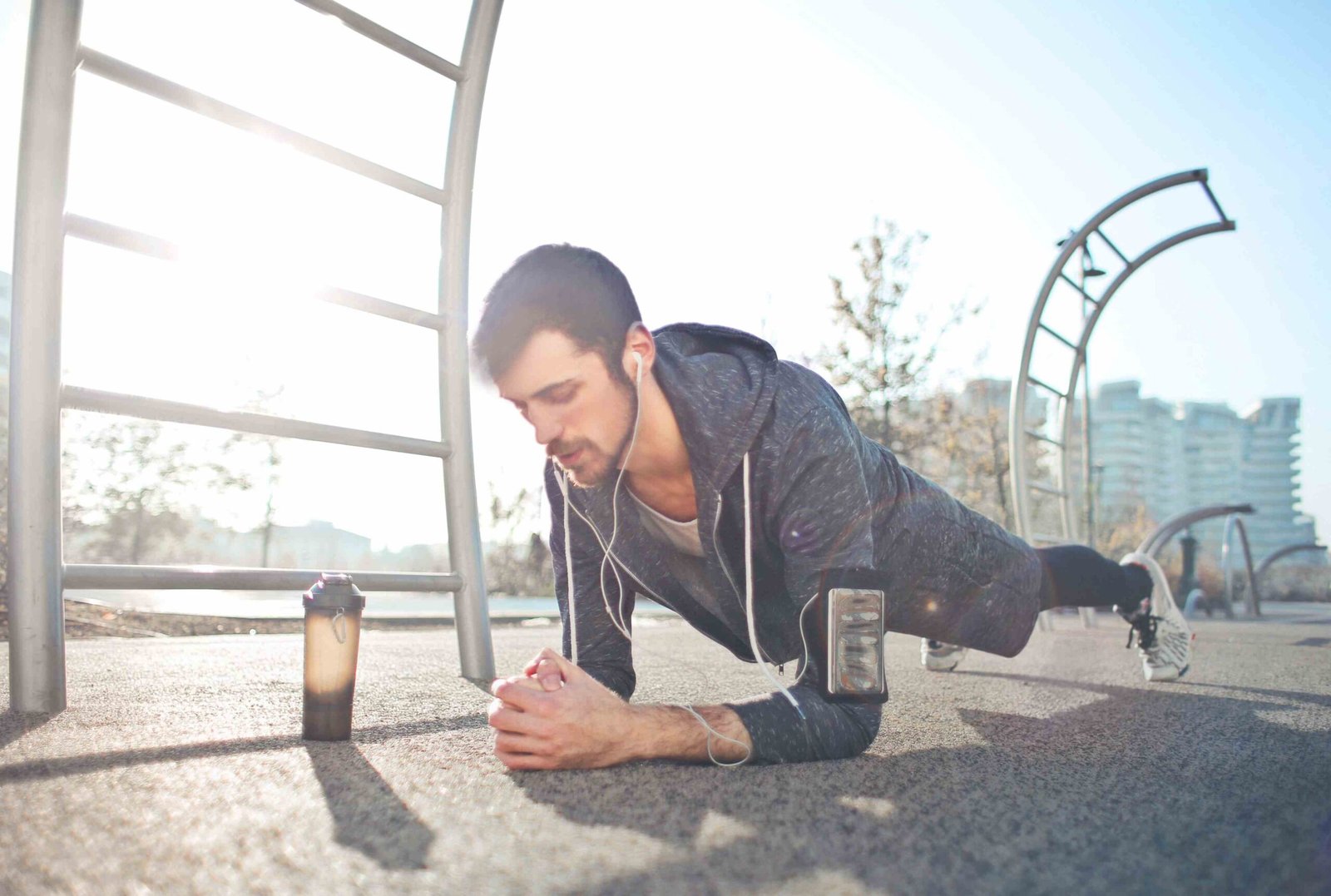
Do Beginners Need to Go to the Gym to Get Fit? (Honest Answer From Someone Who Found Out the Hard Way)
I remember signing up for a gym membership back when I first decided to “get serious” about my health. I walked in on day one, looked at the rows of machines, the people grunting under heavy barbells, and quietly walked back out. I sat in my car for ten minutes before driving home.
That was my entire first week of “training.”
The gym felt like a place for people who were already fit — not a place to become fit. And honestly? That feeling stopped me from making progress for months. I kept telling myself I’d start once I knew what I was doing, once I felt less awkward, once I looked the part.
If that sounds familiar, this one’s for you.
The Real Question Nobody Asks
Most beginners jump straight to “which gym should I join?” before asking a more important question: do I actually need a gym at all?
The short answer is no. You absolutely do not need a gym membership to get fit — especially as a beginner. In fact, for a lot of people, the gym is the wrong starting point.
Here’s why.
When you’re just starting out, your body responds to almost anything. You don’t need a cable machine or a Smith rack. You need consistency and a little effort. Your own bodyweight is genuinely enough to build real, noticeable fitness in the beginning — and that’s not just motivational fluff, it’s how muscle adaptation actually works.
What “Getting Fit” Actually Means for a Beginner
Before we go further, it’s worth being clear about what fitness even means at the beginner stage. Most people starting out want some combination of:
- Losing fat and looking better
- Having more energy day-to-day
- Building some visible muscle
- Getting stronger
- Improving their overall health
The good news? All of these are achievable without a single piece of gym equipment, at least in the early months.
What I Did Instead of the Gym (And What Happened)
After my embarrassing parking lot retreat, I decided to just start at home. I found a simple beginner bodyweight routine — nothing fancy, just pushups, squats, lunges, planks, and some basic core work — and committed to doing it three times a week.
I also started walking 30 minutes a day, which felt almost too simple to count as exercise. Spoiler: it absolutely counts.
Within six weeks, my clothes fit differently. I had noticeably more energy. I was sleeping better. And I hadn’t set foot in a gym once.
The real surprise? I actually enjoyed it. There was no commute, no waiting for equipment, no self-consciousness. I just put on a YouTube workout video — I used channels like FitnessBlender and Athlean-X for guidance — pressed play, and got it done.
What Home Training Can and Can’t Do
Let’s be honest about both sides here, because I think a lot of fitness content online oversells the “you never need a gym” narrative just as much as it oversells the gym itself.
What you CAN achieve at home:
- Solid cardiovascular fitness (running, jump rope, HIIT, cycling)
- Real functional strength using bodyweight exercises
- Better flexibility and mobility
- Fat loss (through movement + diet)
- A consistent fitness habit — which is the most valuable thing a beginner can build
Where home training starts to hit its limits:
- Building significant muscle mass beyond a certain point (you need progressive overload, and eventually bodyweight alone isn’t enough)
- Developing specific strength for sports or lifting goals
- Access to machines that target certain muscle groups more effectively
For most beginners, none of those limitations matter yet. You’ll be working on the foundations for months before you even get close to needing a barbell.
Simple Beginner Routines That Actually Work at Home
Here’s a basic framework I used and still recommend to people just starting:
3-Day Beginner Bodyweight Routine (No Equipment)
Day 1 — Upper Body Push/Pull
- 3 sets of 8–10 pushups (modify on knees if needed)
- 3 sets of 10 chair-assisted rows or door-frame rows
- 2 sets of 10 shoulder taps (plank position)
- 2 sets of 15-second dead hangs if you have a pull-up bar
Day 2 — Lower Body
- 3 sets of 15 bodyweight squats
- 3 sets of 10 reverse lunges per leg
- 3 sets of 15 glute bridges
- 2 sets of 30-second wall sits
Day 3 — Full Body + Core
- 3 rounds of: 10 burpees, 15 mountain climbers, 10 squat jumps
- 3 sets of 30-second planks
- 2 sets of 10 slow Russian twists
Rest at least one day between sessions. Walk on your off days if you can.
This isn’t glamorous. But after 8 weeks of doing this consistently, most beginners look and feel significantly different.
Tools and Apps Worth Knowing About
You don’t need expensive equipment, but a few things genuinely help:
Apps:
- Nike Training Club — free, guided workouts with video, no equipment options available
- FitOn — good variety, also free, with beginner-specific programs
- Freeletics — great for HIIT-style bodyweight training
- MyFitnessPal — for tracking food, which matters a lot for body composition
Equipment (optional but useful):
- A yoga mat (~$20–30) — makes floor work much more comfortable
- Resistance bands (~$15–25 for a set) — add difficulty to lower body exercises and open up new movements
- A pull-up bar for a door frame (~$25–35) — probably the single best investment for home training
If you have those three things, you have enough to run a serious beginner program for at least 3–4 months.
Common Mistakes Beginners Make (Gym or No Gym)
Mistake 1: Waiting until you’re “ready” There’s no ready. Start with what you have, where you are. Doing 10 pushups imperfectly beats not starting for another month.
Mistake 2: Doing too much too soon Your body isn’t used to this. Three 30-minute sessions a week is enough at first. Going every day in week one usually leads to soreness, burnout, and quitting.
Mistake 3: Ignoring food No amount of exercise outpaces a bad diet, especially for beginners trying to lose fat. You don’t need to count every calorie, but being aware of what you’re eating makes a massive difference. Protein intake is especially important — aim for roughly 0.7–1g of protein per pound of bodyweight daily.
Mistake 4: Comparing yourself to advanced athletes on social media Those 90-day transformation videos? Often years of training, good lighting, and camera angles. Your progress will look quieter and feel slower — and that’s completely normal.
Mistake 5: Not tracking anything Keep a simple log. Even a notes app on your phone works. Write down what you did, how many reps, how it felt. Progress is motivating when you can actually see it.
So When Should a Beginner Go to the Gym?
The gym absolutely has its place — I eventually became a regular, and I genuinely love lifting weights now. But I’m glad I didn’t start there.
Here’s when going to the gym starts to make sense for a beginner:
When you’ve built a base. After 2–3 months of consistent home training, you’ll have better body awareness, some foundational strength, and more confidence. Walking into a gym at that point feels completely different.
When you want to lift weights seriously. Barbells, dumbbells, and cable machines let you progress in ways that bodyweight eventually can’t match. If building muscle or developing serious strength is your goal, you’ll want a gym within the first 4–6 months.
When the social environment helps you. Some people genuinely train harder with other people around. If that’s you, the gym’s energy might be worth paying for sooner.
When you want professional guidance. A good personal trainer, even just for a few sessions, can fix your form and design a smart program. That’s something a YouTube video can’t fully replicate.
The Bottom Line
You don’t need a gym to start getting fit. That’s not a consolation prize — it’s genuinely good news.
For most beginners, home training removes all the barriers that stop people from starting: the cost, the commute, the awkwardness, the intimidation. And in the beginning, removing barriers to consistency is the most important thing.
Build your habit first. Get your body moving regularly, figure out what you enjoy, and start seeing what exercise does for your energy and mood. Then, if and when you hit the natural ceiling of home training, the gym will feel like a natural next step — not a terrifying first one.
I wish someone had told me this years ago instead of letting me sit in that parking lot, feeling like I didn’t belong.
You belong. Start where you are.

- Healthy Snacks for Work: What Actually Kept Me From Raiding the Vending Machine at 3 PM - July 12, 2026
- What I Learned After Spending More Time Outdoors - July 10, 2026
- How I Learned to Enjoy Healthy Living Without Pressure - July 8, 2026