How to Lower Blood Pressure Naturally: 12 Proven Tips That Work
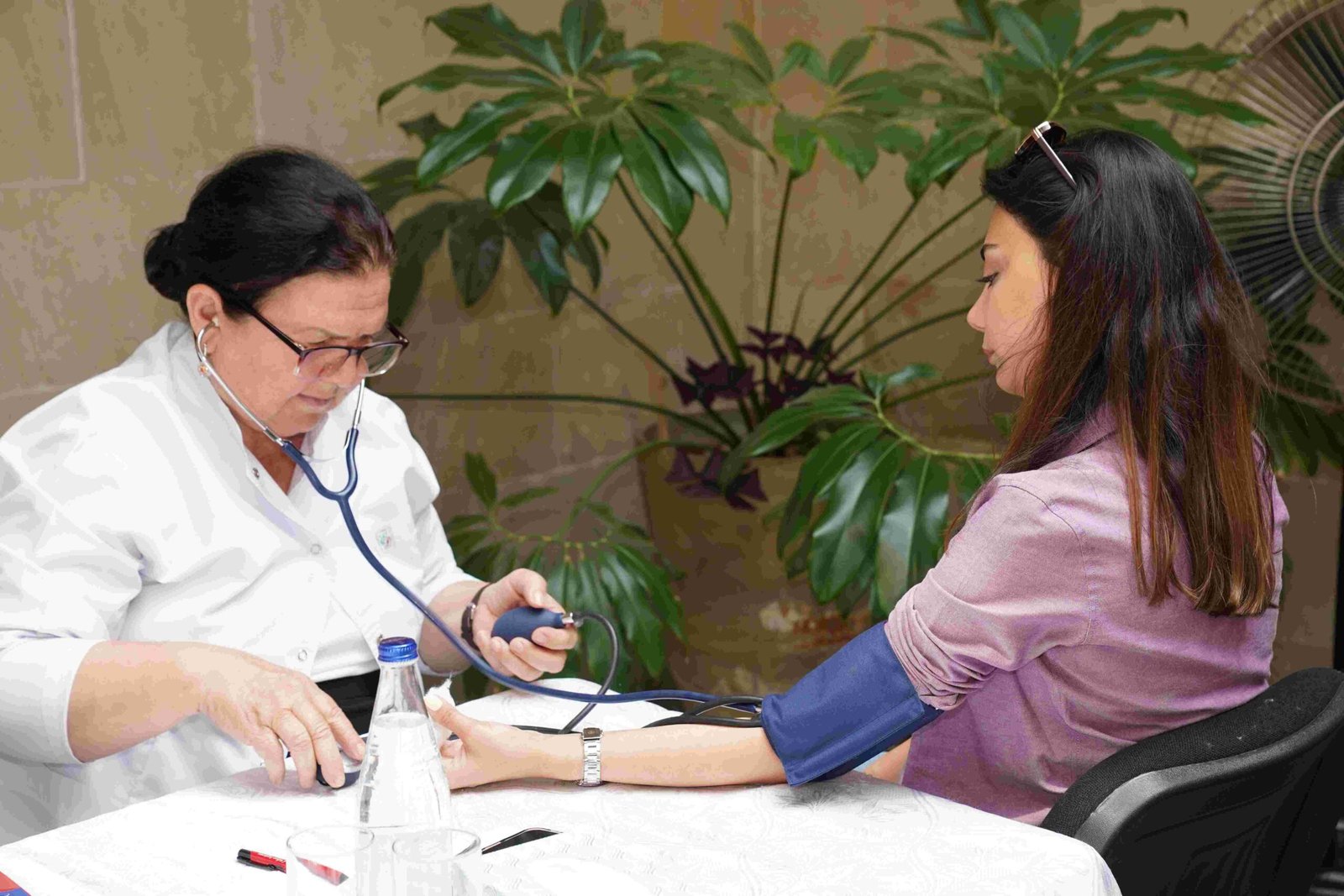
I remember sitting in the pharmacy at the back of Tesco, waiting for my repeat prescription, when the blood pressure machine in the corner caught my eye. I’d never actually used one before. Just for fun, I sat down and stuck my arm in the cuff.
158/94. I read it twice thinking the machine was broken.
I was 38, not overweight in any dramatic way, didn’t smoke, and genuinely thought blood pressure was an “old people” problem. Turns out it isn’t. My GP confirmed it a week later and used the word “hypertension” in a sentence that included my name, which felt strange to hear out loud.
She didn’t immediately reach for the prescription pad though. She gave me three months to try lifestyle changes first, with a follow-up appointment booked in already. That three months changed how I eat, move, and honestly, how I think about stress.
This isn’t medical advice dressed up as a blog post — I’m not a doctor, and if your numbers are high, please see one. But here’s everything that actually moved my numbers, what didn’t work despite what the internet promised, and the mistakes I made along the way.
Why Blood Pressure Sneaks Up On You
Nobody feels high blood pressure. That’s the genuinely scary part. I felt completely normal the morning I got that 158/94 reading. No headache, no dizziness, nothing. It’s called “the silent killer” for a reason, and that phrase finally made sense to me.
A home blood pressure monitor became non-negotiable after that appointment. I bought an Omron M3, mostly because my GP mentioned it’s one of the British Heart Foundation-recommended brands, and it’s been genuinely useful for tracking trends rather than panicking over one reading.
The 12 Things That Actually Lowered My Numbers
1. Cutting salt, properly, not just “trying to”
I thought I ate moderately salty food. Then I actually checked labels for two weeks and realised stock cubes, bread, and even my “healthy” granola were loaded with sodium.
I started checking labels properly and aiming to stay under 6g of salt a day, which is the NHS guideline. Swapping stock cubes for low-sodium versions and cooking from scratch more often made the biggest single difference in the first month.
2. Walking daily, not gym sessions
I assumed I needed intense workouts. What actually worked was boring, consistent walking — 30 minutes most days, tracked through my phone’s Health app. No special gear, no gym membership.
My numbers responded better to daily walks than the two intense gym sessions a week I was doing before.
3. The DASH diet, loosely followed
DASH stands for Dietary Approaches to Stop Hypertension, and it’s basically more vegetables, fruit, whole grains, and lean protein, less red meat and processed food. I didn’t follow it perfectly. I just shifted the ratio on my plate — more veg, less meat, most days.
4. Cutting back on alcohol
This one stung a bit. I wasn’t drinking heavily, just a couple of glasses of wine most evenings. Dropping to two or three drinks a week, rather than daily, showed up clearly in my readings within a few weeks.
5. Losing the stress-snacking habit
I didn’t realise how much I stress-ate crisps and salty snacks during work calls until I actually paid attention. Swapping those for unsalted nuts or fruit removed a sneaky source of sodium I hadn’t accounted for.
6. Reducing caffeine, slightly
I didn’t cut coffee out completely — that felt unrealistic. I just stopped at two cups instead of four, and avoided caffeine after 2pm, which also helped my sleep.
7. Actually sleeping properly
Poor sleep and high blood pressure are connected more than people realise. I used to average 5-6 hours a night. Pushing for 7-8 hours, with my phone in another room, made a noticeable difference within a month.
8. Breathing exercises (sounds silly, genuinely worked)
My GP recommended slow, deep breathing for a few minutes a day. I used an app called Headspace for guided sessions, just 5-10 minutes most mornings. I was sceptical, but readings taken right after a session were consistently lower than readings taken cold.
9. Losing a small amount of weight
I lost about 6kg over four months, not through any extreme diet, just smaller portions and more walking. Even that modest amount made a measurable difference, which surprised me more than anything else on this list.
10. Potassium-rich foods
Bananas, sweet potatoes, spinach, and avocados all help balance sodium’s effect on blood pressure. I started adding one potassium-rich food to most meals instead of obsessing over exact numbers.
11. Quitting the “white coat panic” habit
Turns out, anxiety about the reading itself spikes blood pressure temporarily. I learned to sit quietly for five minutes before taking a reading, rather than rushing to check it the moment I remembered.
12. Consistent monitoring, same time daily
Readings vary throughout the day naturally. I started checking every morning before coffee, same time, same arm position, and logging it in a simple notes app. This gave a much more honest trend than random checks at different times of day.
My Actual Step-by-Step Routine
Here’s what an average day looked like during those three months:
-
- Wake up, sit quietly for five minutes before anything else.
-
- Take blood pressure reading, log it in my phone.
-
- Breakfast with no added salt, usually porridge with banana.
-
- 30-minute walk, either morning or lunchtime.
-
- Lunch built around the DASH approach — veg-heavy, modest protein.
-
- One coffee in the afternoon, cut off by 2pm.
-
- Evening breathing session, 10 minutes, using Headspace.
-
- Dinner cooked from scratch, salt added sparingly.
-
- Two or three nights a week, zero alcohol; the rest, one glass max.
-
- Phone out of the bedroom by 10pm.
Nothing here is glamorous. It’s repetitive, slightly boring, and that’s exactly why it worked.
What I Got Wrong Along The Way
-
- I assumed cutting salt at the table was enough. Most sodium in my diet came from processed and packaged food, not the salt shaker. Reading labels properly mattered far more than I expected.
-
- I tried to overhaul everything in week one. Diet, exercise, sleep, alcohol, all at once. I burned out after ten days and gave up briefly. Changing one or two habits at a time stuck much better.
-
- I panicked over single readings. One slightly high number after a stressful phone call sent me into a spiral. Trends over weeks matter far more than any single reading.
-
- I trusted random online “miracle” remedies. Hibiscus tea, garlic supplements, specific juices promising instant drops — some have mild evidence behind them, but none replaced the basics, and a few just gave me an upset stomach for no real benefit.
-
- I stopped checking once numbers improved. Around month two, my readings looked great and I got lazy with monitoring. They crept back up slightly within weeks, which was a useful, if annoying, reminder that this isn’t a one-time fix.
Real Results, Three Months Later
That follow-up appointment showed my blood pressure down to 132/82. Still not “perfect,” but a massive improvement from 158/94, and enough that medication wasn’t needed yet. My GP was honestly more pleased than I expected her to be.
I still check my Omron monitor most mornings. It’s become as normal as checking the weather.
Final Thoughts
If you’ve just seen a number on a screen that scared you a bit, you’re not alone, and it’s genuinely more manageable than it feels in that first moment. Small, consistent changes — less salt, more walking, better sleep, less stress-snacking — added up to something I didn’t think was possible without medication.
That said, please don’t take any of this as a replacement for actually seeing your GP. Numbers vary person to person, and what worked for me came alongside proper medical supervision, not instead of it. If your readings are consistently high, get it checked properly first, then use whichever of these tips fit naturally into your life.

- Healthy Snacks for Work: What Actually Kept Me From Raiding the Vending Machine at 3 PM - July 12, 2026
- What I Learned After Spending More Time Outdoors - July 10, 2026
- How I Learned to Enjoy Healthy Living Without Pressure - July 8, 2026